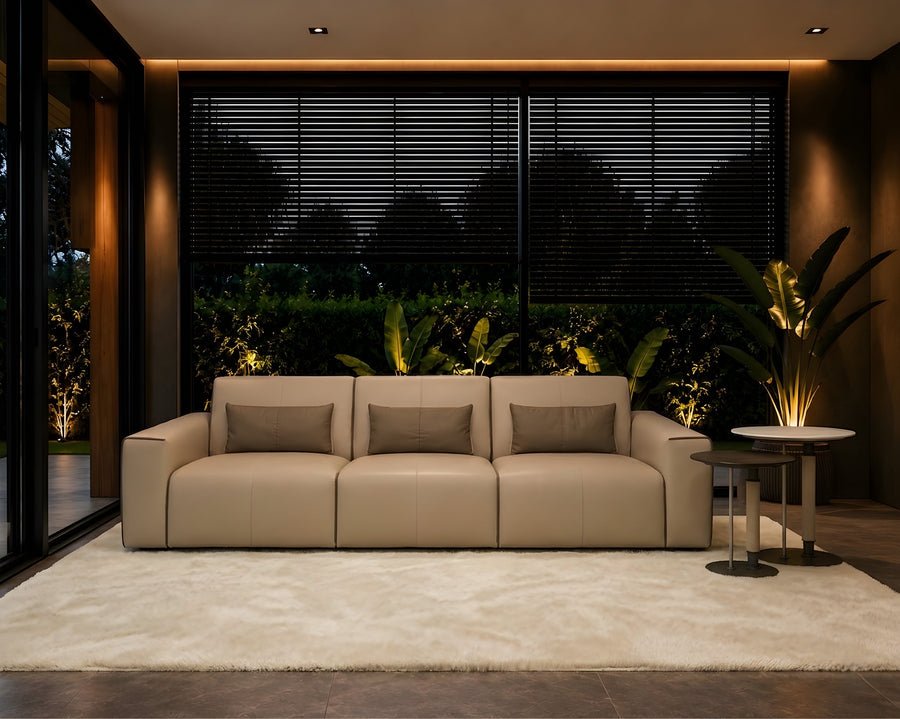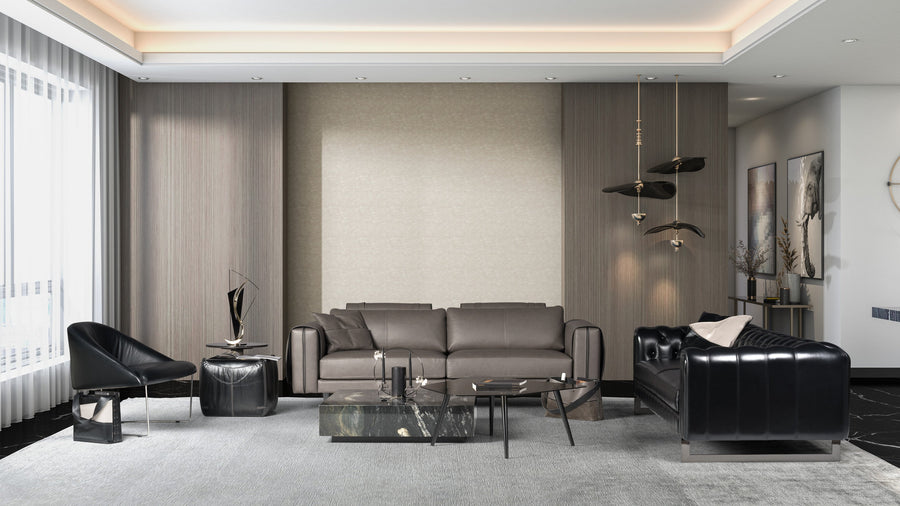
An example of a blog post description. An example of a blog post description. An example of a blog post description. An example of a blog post description. An example of a blog post description. An example of a blog post description. An example of a blog post description. An example of a blog post description. An example of a blog post description. An example of a blog post description.
In hospitality and high-end residential interiors, furniture is rarely “just furniture.” It becomes the language of the space—how guests feel welcomed, how a room communicates calm, confidence, and character, and how a design concept becomes something tangible you can touch. Great interiors succeed when every element is intentional. But truly exceptional interiors succeed when the furniture itself is conceived as architecture: planned, engineered, and crafted to perform beautifully for years.
That’s the philosophy behind Sit Design.
Sit Design creates furniture and interiors where architecture meets craftsmanship, materials define emotion, comfort is engineered with precision, and each piece is designed specifically for its space. This is not a decorative approach. It is a design system—one that connects spatial thinking, material intelligence, and meticulous production into furniture that belongs exactly where it’s placed.
This article explores that philosophy in depth: what it means to treat furniture as architectural structure, how craftsmanship becomes a functional standard (not an aesthetic tagline), why material selection shapes human emotion, and how precision engineering transforms comfort from “soft” into measurable performance. Along the way, you’ll see how this framework can become a foundation for future writing topics such as leather selection for luxury hotels, suite planning through furniture architecture, and the role of upholstery in five-star guest experiences.
1) Furniture as Architecture: A Different Starting Point
Most furniture is created as an independent object, then placed into a room. Sit Design begins from the opposite direction: the room comes first.
This shift changes everything.
When you design “for a space,” you stop thinking in isolated product categories—sofa, chair, table—and start thinking in spatial relationships:
How does circulation work around the seating group?
What does the guest see first when entering a suite?
Where does the body naturally land after a long flight?
How should light wash over materials at different times of day?
What needs to feel open, and what needs to feel protective?
Furniture becomes architecture when it supports the room’s composition: its lines, proportions, and movement. Architecture is not just walls and ceilings—it’s the entire system that shapes behavior and mood. A lounge chair can be a threshold. A banquette can be a boundary. A headboard can become a façade. A console can act like a corridor element guiding direction and pace.
1.1 The “Built-In” Mindset Without the Limitations
Hotels and premium residences often benefit from “built-in” thinking: elements that feel made for the place rather than brought in from somewhere else. The challenge is that true built-ins can reduce flexibility and complicate maintenance. Furniture that is designed architecturally can deliver the same sense of belonging—without the constraints.
It can:
echo the room’s geometries,
align with architectural axes,
integrate with lighting, joinery, or millwork language,
and respond to the room’s human use patterns.
The result is a space that feels resolved. Guests may not consciously notice why it feels that way. They just feel it.
1.2 Proportion: The Quiet Force Behind Luxury
Luxury is often explained through materials—marble, leather, brass—but proportion is frequently more important. Proportion is a kind of silent mathematics: it makes a room feel balanced or awkward; calm or restless; premium or generic.
A sofa that is slightly too deep can make a suite feel tight. A coffee table that is too small makes a seating group feel temporary. A chair back that is too high blocks sightlines and compresses the experience.
Architectural furniture thinking treats proportion as a primary design material. It asks questions like:
What is the ideal seat height for the intended user profile?
How much negative space should be preserved around the furniture for visual breath?
How do we maintain openness while adding enough mass for intimacy?
How do we reinforce the room’s symmetry—or intentionally break it?
When those decisions are made precisely, the room reads as “expensive” even before you see a label.
2) Architecture Meets Craftsmanship: Where Ideas Become Real
If architecture is the concept, craftsmanship is the proof.
Craftsmanship isn’t only about artisan romance. In hospitality and premium residential projects, craftsmanship is durability, accuracy, and execution consistency—across dozens, sometimes hundreds, of pieces.
A design can be brilliant on paper and fail in reality if its joinery loosens, its edges chip, its upholstery wrinkles under real use, or its finishes show wear too quickly. Sit Design’s philosophy treats craftsmanship as a technical discipline: the craft is measured by performance and longevity.
2.1 The Difference Between “Handmade” and “Well-Made”
Many brands claim “handmade.” But handmade doesn’t always mean reliable. Craftsmanship in this philosophy means:
joinery that stays tight under repetitive load,
stitching that remains aligned after years of abrasion,
foam that retains resilience rather than collapsing,
finishes that resist humidity, cleaning chemicals, and impacts,
tolerances that keep components aligned so the piece feels solid.
A luxury hotel doesn’t merely need furniture that looks beautiful on installation day. It needs furniture that keeps its dignity after thousands of guests.
2.2 The Invisible Details That Create a Five-Star Feeling
Guests interact with furniture constantly, and their bodies are sensitive instruments. Small defects become amplified:
a seam that lands exactly where the elbow rests becomes a discomfort point,
a hard edge at the wrong location becomes a subconscious irritation,
a wobble in a table becomes a feeling of cheapness,
a chair that squeaks breaks the illusion of calm.
Craftsmanship is the art of removing those distractions so the guest can focus on the experience: the view, the service, the atmosphere.
True premium interiors are not “loud.” They are quiet. Craftsmanship is how you build that quiet.
2.3 Craftsmanship as Brand Consistency
Hotels, especially luxury flags, must ensure consistency across properties while still creating unique identity. Custom-designed furniture solves this by letting the concept be bespoke while the quality standard stays consistent.
When craftsmanship is treated as a repeatable system—supported by material standards, construction methods, quality control checkpoints—you get the best of both worlds:
Unique designs that match the space
Repeatable execution that matches the brand promise
This is one reason design philosophies like Sit Design’s are so suited to hospitality: they can scale without losing soul.
3) Materials Define Emotion: Why Touch Matters as Much as Sight
Materials are often discussed in terms of color and durability. But in a refined design philosophy, materials are emotional instruments.
Think about the difference between these experiences:
Sitting on a cool leather chair in a quiet bar
Leaning into a soft textured fabric in a library lounge
Running your hand across a warm wood armrest
Seeing light travel across brushed metal versus polished metal
These are not “spec sheet” differences. They are mood differences.
3.1 Materials as Atmosphere
Architecture sets the spatial mood. Materials tune the emotional frequency.
Leather can feel confident, controlled, timeless.
Velvet can feel intimate, theatrical, indulgent.
Bouclé can feel soft, calm, contemporary.
Natural wood can feel grounding, warm, honest.
Stone can feel monumental, cool, quiet.
Metal can feel sharp, modern, precise—or warm, depending on finish.
The goal is not to choose “luxury materials.” The goal is to choose the right emotional palette for the experience the space promises.
A resort suite has different emotional needs than a business hotel. A coastal property has different material logic than a city high-rise. A lobby lounge requires different tactile messaging than a private villa bedroom.
3.2 The Sensory Hierarchy: Where Hands Go First
One of the most useful ways to think about furniture materials is to map how people touch the space:
Primary touchpoints: armrests, seat surfaces, table edges, pulls/handles
Secondary touchpoints: backrests, side panels, foot rails
Visual materials (less touched): outer backs, plinths, decorative surfaces
The primary touchpoints must be chosen for comfort and feel—not just looks. A stunning leather might be too slick for a certain seating angle. A beautiful fabric might be too abrasive for bare skin. A stone top might be too cold for a breakfast table used early in the morning.
When materials define emotion, the designer is essentially choreographing touch.
3.3 Material Honesty: The Luxury of Authenticity
Modern luxury is increasingly about authenticity. Guests and homeowners are more sensitive than ever to imitation: plastic that pretends to be stone, coatings that mimic metal, cheap veneers that are trying too hard.
Material honesty means choosing materials that look and feel like themselves—then designing around their strengths.
If a wood has dramatic grain, celebrate it.
If a metal finish has subtle variation, make it part of the story.
If a leather has natural marks, let it communicate authenticity rather than hide it.
This doesn’t mean everything must be raw or rustic. It means the material’s identity should be respected. When it is, the space feels confident instead of forced.
3.4 The Hospitality Reality: Maintenance Is Part of the Material Story
In hotels, materials must also behave under harsh conditions:
repeated cleaning cycles,
disinfectants and chemicals,
luggage impacts,
high UV exposure near windows,
humidity changes,
and constant human traffic.
A material that looks amazing but fails quickly damages brand trust. The best material strategy is balanced:
emotionally correct,
visually aligned with the concept,
technically resilient,
maintainable by staff,
and replaceable or repairable when needed.
A design philosophy that acknowledges this isn’t “less artistic.” It’s more mature.
4) Comfort Engineered with Precision: When Soft Becomes Scientific
Comfort is not vague. It can be designed.
People often talk about comfort as if it’s a purely subjective feeling—either you like it or you don’t. But comfort can be engineered through measurable decisions:
seat height and depth,
back angle and lumbar support,
foam density and layering,
suspension systems,
armrest geometry,
edge softness,
and pressure distribution.
Sit Design’s philosophy emphasizes precision because comfort is one of the strongest signals of quality. Guests may forget the color of a sofa. They will remember whether it felt good.
4.1 The Two Comfort Types: “Lounge Comfort” vs “Posture Comfort”
In hospitality, comfort goals depend on the function of the space:
Lounge comfort: encourages relaxation, longer dwell time, a softer emotional tone
Posture comfort: supports sitting upright, short-to-medium duration, active conversation, working
A lobby bar might need a blend: seats that keep you comfortable but not so sleepy you lose energy. A suite lounge might need deeper comfort: a place to decompress. A restaurant chair must deliver posture comfort: enough support so dining feels elegant and engaged.
Engineering comfort means choosing the appropriate comfort profile and then executing it consistently.
4.2 Ergonomics Without Looking Like Office Furniture
One of the hardest challenges in luxury furniture is hiding ergonomics inside beauty.
Office chairs proudly display their mechanics. Luxury seating needs to feel effortless and refined, not technical. But the engineering is still there—just integrated:
a back curve that subtly supports the spine,
cushioning that feels soft but doesn’t bottom out,
armrests shaped for natural elbow position,
and angles tuned for the intended activity.
When done well, guests don’t say “this is ergonomic.” They say, “I don’t want to get up.”
4.3 Precision as Brand Experience
Five-star hospitality is built on micro-experiences:
the sound of a door,
the softness of a robe,
the weight of a glass,
the smoothness of a drawer.
Furniture comfort is part of this micro-language. A chair with inconsistent cushioning (one seat firmer than another) introduces doubt. A sofa that sags quickly suggests neglect. Precision makes comfort repeatable, which makes the brand trustworthy.
5) Each Piece Designed Specifically for Its Space
This is the core of the philosophy: furniture belongs to the space like it was always meant to be there.
Designing specifically for a space is not just about dimensions. It includes:
the interior concept,
user behavior,
local climate,
operational realities,
and long-term maintenance strategy.
5.1 Behavior-Based Design: Furniture as a Guide
People behave differently depending on the cues a room gives them. Furniture shapes those cues.
A curved sofa invites conversation.
A single lounge chair near a window invites solitude.
A banquette suggests staying longer.
A high-back seat creates privacy.
A narrow table encourages quick interaction.
In hotels, you can strategically design behavior:
Where do guests naturally check their phone?
Where do they meet others?
Where do they place their bag?
Where do they drink coffee?
Where do they work?
Custom furniture that’s designed for the space can guide these behaviors without signage or instruction.
5.2 Spatial Storytelling: The Journey from Entrance to Rest
A well-designed suite often has a narrative arc:
Arrival: transition from public to private
Orientation: understand where to go and what the room offers
Decompression: settle, exhale, feel secure
Function: work, dine, lounge
Rest: sleep, privacy, softness
Furniture plays a role in each stage. When each piece is designed specifically, the suite feels like a curated experience rather than a collection of products.
5.3 The Advantage of Bespoke: Solving Awkward Realities
Real spaces have constraints:
columns,
unusual window placements,
shallow rooms,
HVAC requirements,
awkward corners,
brand standards that must be respected.
Off-the-shelf furniture often makes these constraints visible. Bespoke furniture can solve them elegantly:
a sofa that wraps a column,
a console that aligns with a window mullion,
a bench that integrates storage,
a headboard that hides technical elements,
a lounge chair sized for the exact clearance needed.
This is where furniture becomes problem-solving, not decoration.
6) Bringing the Philosophy to Life: A Practical Framework
A design philosophy is only useful if it can be applied. Here’s a practical way to implement this approach in hospitality or premium residential projects.
6.1 Start with the Space, Not the Product List
Instead of “we need a sofa, two chairs, a table,” start with:
What should the space feel like?
What should the guest do here?
What is the visual identity of the property?
What is the operational reality?
Then design furniture as the response.
6.2 Create a Material & Emotion Map
Define the emotional tone of each zone:
Lobby: energetic elegance, social confidence
Lounge: calm intimacy, slow comfort
Suite: protective softness, quiet luxury
Restaurant: warm sophistication, engaged posture
Then select materials that support those emotions—and test them against durability and maintenance requirements.
6.3 Engineer Comfort as a Specification
Comfort should be part of the brief:
target seat height range,
firmness level,
foam layering,
back angle,
and intended sitting duration.
This shifts comfort from subjective taste to a designed outcome.
6.4 Design Details That Carry the Brand
Brands are remembered through repetition. Create signature elements:
a specific seam language,
a recognizable silhouette,
a consistent wood tone,
a hardware finish,
a recurring curvature.
These details can be adapted to different pieces and spaces, creating a unified identity.
7) Future Blog Articles Built from This Philosophy
The framework above naturally expands into deeper topics. Here are the three future article directions you mentioned, along with how this philosophy supports each one.
7.1 “How Sit Design Selects Leathers for Luxury Hotels”
This becomes compelling when you connect leather selection to emotion and performance:
Emotional tone: matte vs glossy, smooth vs natural grain
Tactile experience: temperature, softness, grip
Durability: abrasion, scratching, patina behavior
Maintenance: cleaning protocols, stain resistance, repair strategies
Aging: does it become more beautiful or simply worn?
Leather isn’t just a material choice—it’s a brand statement.
7.2 “Designing Hotel Suites Through Furniture Architecture”
This is a natural extension of the “space-first” approach:
using furniture to define zones without walls,
aligning furniture with architectural lines,
integrating built-in language through movable pieces,
maintaining circulation and openness while adding intimacy,
and designing for the guest narrative from arrival to sleep.
This article can include diagrams, before/after planning logic, and examples of how furniture architecture solves constraints.
7.3 “The Role of Upholstery in Five-Star Interior Experiences”
Upholstery is the meeting point of craftsmanship, emotion, and comfort engineering:
foam science and layering,
seam placement and durability,
fabric selection for touch and acoustics,
how upholstery affects sound (soft surfaces reduce harshness),
how it affects perceived temperature and coziness,
and how details communicate quality at close range.
Upholstery is not a finishing touch—it’s a core experience layer.
8) The Result: Spaces That Feel Inevitable
When architecture meets craftsmanship, furniture stops feeling imported and starts feeling inevitable.
When materials define emotion, interiors stop being “styled” and start being felt.
When comfort is engineered with precision, guests don’t just admire the room—they relax into it.
And when each piece is designed specifically for its space, the entire project becomes coherent: every angle, seam, curve, and surface supports the story.
That’s what makes a space memorable.
It’s not only how it looks in photos. It’s how it lives—how it performs, how it ages, and how it makes people feel the moment they sit down.
If you want to explore this approach further, you can start at Sit Design and build outward—one space-specific piece at a time.
Vegetable-tanned leather is a heritage material rooted in traditional craftsmanship, natural processes, and timeless authenticity. It is widely regarded as one of the most character-rich leathers used in bespoke and artisanal seating.
This leather is tanned using natural plant-based tannins derived from tree bark, leaves, and roots, rather than synthetic chemicals. The result is a leather that is biodegradable, breathable, and environmentally conscious, appealing to design philosophies that value sustainability and material honesty.
Visually, vegetable-tanned leather begins with a warm, natural tone and gradually evolves over time. Exposure to light, air, and touch creates a deep, expressive patina, making each seating piece increasingly personal and unique. This aging process is not a flaw—it is a defining feature that enhances the leather’s beauty and narrative.
From a structural perspective, vegetable-tanned leather is firm, resilient, and supportive, making it ideal for architectural seating, sculptural forms, and designs where material presence is essential. While initially stiffer than chrome-tanned leathers, it softens naturally with use, adapting to the user while retaining its integrity.
Tactilely, it offers a dry, organic feel that communicates authenticity and craftsmanship. Its natural aroma and texture reinforce a connection to traditional leatherworking techniques, often associated with premium saddlery and handcrafted goods.
Because it lacks heavy surface coatings, vegetable-tanned leather requires mindful care. It is best suited for clients who appreciate natural aging, subtle imperfections, and a living material that tells a story over time.
For Sit Design, vegetable-tanned leather represents:
Authentic craftsmanship
Sustainable luxury
Timeless material expression
Emotional longevity through patina
Vegetable-tanned leather is more than an upholstery material—it is a long-term design companion, evolving alongside the space and its user while embodying the essence of refined, responsible luxury.
Italian leather is internationally recognized as a benchmark of luxury, refinement, and masterful craftsmanship, making it a cornerstone material in high-end and bespoke seating production.
Produced by generations of expert tanneries—particularly in regions such as Tuscany and Veneto—Italian leather reflects a deep cultural heritage of leather artistry. These tanneries combine traditional tanning techniques with advanced finishing technologies, achieving unparalleled consistency, softness, and color sophistication.
Italian leather is not a single leather type, but rather a mark of origin and quality. It encompasses full-grain, aniline, semi-aniline, and vegetable-tanned leathers, all unified by rigorous standards of selection, tanning, and finishing. This ensures superior performance, durability, and aesthetic excellence.
From a tactile standpoint, Italian leather is prized for its exceptional suppleness and comfort. It responds naturally to touch and temperature, enhancing the seating experience while maintaining structural integrity. The surface feels refined yet inviting—an unmistakable signature of premium European leather.
Visually, Italian leather offers rich, layered color depth and flawless finishing. Advanced dyeing techniques allow for subtle tonal variations, elegant matte or satin finishes, and long-lasting color stability. This makes it ideal for luxury residences, executive interiors, boutique hotels, and design-led commercial spaces.
Italian leather is also closely associated with responsible production practices, including strict environmental regulations and traceability standards. This aligns with modern luxury values that prioritize both beauty and ethical sourcing.
For Sit Design, Italian leather represents:
European luxury heritage
Precision and material excellence
Timeless elegance and versatility
Elevated craftsmanship standards
Italian leather is not merely a material choice—it is a statement of uncompromising quality, embodying sophistication, tradition, and enduring design value.
Saddle leather is one of the most robust and prestigious leathers used in luxury seating and architectural furniture, valued for its strength, structure, and timeless character.
Traditionally developed for equestrian equipment, saddle leather is crafted from thick, full-grain hides and tanned to withstand extreme stress, friction, and long-term use. These same qualities make it exceptionally suitable for high-end seating where durability and form retention are essential.
Visually, saddle leather conveys bold sophistication and material honesty. Its firm surface, pronounced grain, and natural markings create a powerful aesthetic presence. Unlike softer upholstery leathers, saddle leather maintains its shape, reinforcing clean lines and sculptural forms in contemporary and heritage-inspired designs alike.
Over time, saddle leather develops a rich, distinguished patina. Exposure to light, touch, and movement deepens its tone and enhances its character, allowing each seating piece to evolve into a unique object with a visible history. This aging process is highly prized in luxury interiors.
From a tactile perspective, saddle leather begins with a structured, supportive feel and gradually softens while preserving its strength. This balance makes it ideal for chairs, lounge seating, and accent elements where both comfort and architectural clarity are required.
Due to its density and thickness, saddle leather is often used selectively—on seating shells, armrests, straps, or detailing—adding depth, contrast, and craftsmanship to premium furniture pieces.
For Sit Design, saddle leather represents:
Structural elegance and durability
Heritage craftsmanship
Timeless, masculine luxury
Long-lasting material integrity
Saddle leather is not simply an upholstery option—it is a design statement rooted in tradition and permanence, perfectly suited for seating that aspires to outlive trends and gain character with time.
Nubuck leather is a distinctive and highly sophisticated material, chosen for exclusive seating designs where texture, tactility, and understated luxury take center stage.
Nubuck is produced from full-grain leather that is gently sanded on the grain side, creating a soft, velvety surface with a matte appearance. This delicate finishing process preserves the strength of the hide while transforming its tactile quality into something uniquely refined and sensual.
From a sensory perspective, nubuck leather delivers an exceptionally smooth and warm touch, inviting interaction and enhancing the emotional connection between the user and the furniture. Its subtle, light-absorbing surface gives seating a calm, contemporary elegance that feels both modern and timeless.
Visually, nubuck offers a rich yet understated aesthetic. The material diffuses light rather than reflecting it, resulting in depth, softness, and a luxurious natural tone. This makes nubuck particularly appealing in minimalist interiors, design-led residences, and curated hospitality environments where material expression is paramount.
However, nubuck’s refined beauty requires attentive care. The open, sanded surface is more sensitive to stains, moisture, and abrasion than protected leathers. For this reason, nubuck is typically reserved for statement pieces, low-traffic areas, or clients who value exclusivity and craftsmanship over mass-use practicality.
For Sit Design, nubuck leather reflects:
Tactile luxury and material intimacy
Contemporary refinement
Design-forward thinking
Exclusivity through texture and touch
Nubuck leather is not merely an upholstery choice—it is a sensory design statement, elevating seating into an object of quiet sophistication and refined taste.
Top-grain leather is a refined and sophisticated material choice that combines visual consistency, durability, and luxury appeal, making it highly suitable for premium seating and contemporary furniture design.
Top-grain leather is derived from the upper layer of the hide, like full-grain leather, but its surface is lightly corrected to remove excessive natural imperfections. This process results in a smoother, more uniform appearance while preserving the inherent strength and quality of the leather.
From a design standpoint, top-grain leather offers a clean, elegant, and controlled aesthetic. It is particularly favored in modern and architectural seating designs where precision, balance, and surface harmony are essential. Its refined finish allows designers to achieve a polished look without sacrificing the authentic feel of real leather.
In terms of performance, top-grain leather is highly resistant to wear, fading, and daily use. The subtle finishing layer enhances durability, making it a reliable choice for seating used in residences, executive offices, luxury lounges, and upscale hospitality spaces.
Comfort remains a key attribute. While slightly less breathable than pure aniline leather, top-grain leather still provides a pleasant, supple touch and maintains its structure and appearance over time. Its ability to retain shape and color contributes to the longevity of premium seating pieces.
For Sit Design, top-grain leather represents:
Contemporary luxury with a refined finish
Strength and reliability for long-term use
Design clarity and surface perfection
A balance between aesthetics and performance
Top-grain leather is an excellent choice for collections that emphasize modern elegance, durability, and timeless visual appeal, ensuring that each seating piece remains sophisticated and relevant for years to come.