
Vai al contenuto
Logo del negozio"
  • Chi siamo
    • Storia
    • Chi siamo
    • Perché scegliere?
  • Prodotti
      • Divani
      • Poltrone
      • Divani componibili
      • Panca - Pouf
      • Sedie da pranzo
      • Camere da letto
      • Sgabello da bar
      • Accessori
      • Armadietti
      • Set di tavolini da caffè
      • Console
      • Tavoli da pranzo
      • Credenze
      • Mobili TV e librerie
  • Progetti
  • Collezioni
  • Cataloghi
  • Contatto
  • English
  • Italiano
  • Türkçe
Cassetto del carrello. Conteggio articoli del carrello" 0

Errore carrello

Menu cassetto

    • Storia
    • Chi siamo
    • Perché scegliere?
      • Divani
      • Poltrone
      • Divani componibili
      • Panca - Pouf
      • Sedie da pranzo
      • Camere da letto
      • Sgabello da bar
      • Accessori
      • Armadietti
      • Set di tavolini da caffè
      • Console
      • Tavoli da pranzo
      • Credenze
      • Mobili TV e librerie
  • Progetti
  • Collezioni
  • Cataloghi
  • Contatto
  • Accesso
    • English
    • Italiano
    • Türkçe

Search

Most searched

How to Design an Interior That Feels Expensive Without Being Excessive
  • Articolo pubblicato su: 2 settembre 2026
How to Design an Interior That Feels Expensive Without Being Excessive
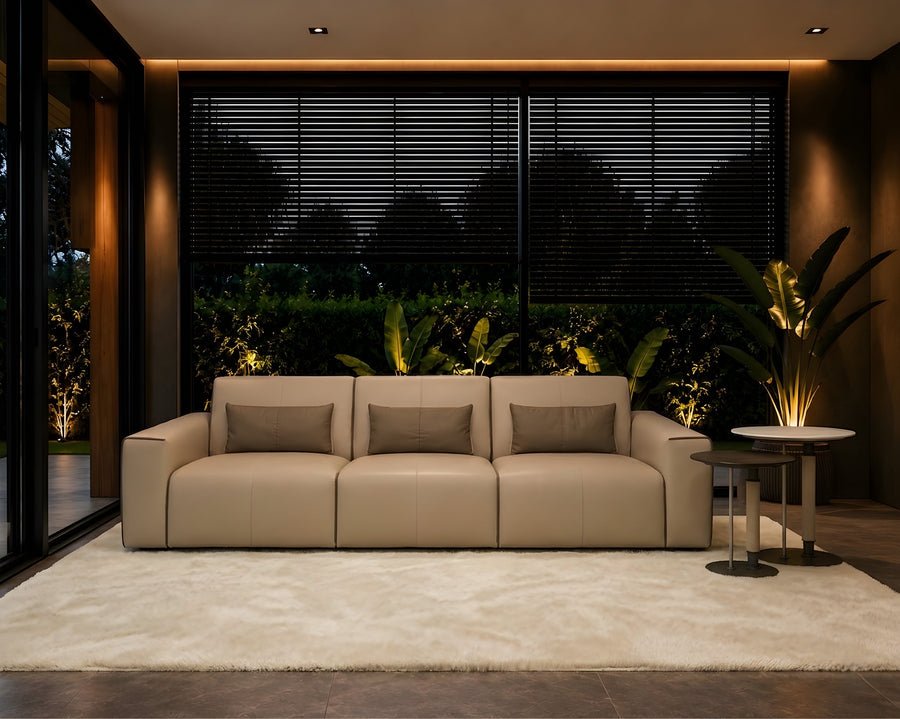
A luxurious interior does not necessarily need to be filled with expensive objects. In fact, some of the most sophisticated spaces are remarkably restrained. They may contain fewer decorative pieces, a quieter color palette, and relatively simple architectural details. Yet they feel unmistakably refined. Why? Because luxury in interior design is rarely about how much a room contains. It is about how thoughtfully everything within it has been considered. Proportion, craftsmanship, material quality, lighting, texture, and negative space can communicate a sense of value far more effectively than excessive decoration. The result is an interior that feels expensive without appearing as though it is trying to prove it. For contemporary homes, this distinction has become increasingly important. The modern interpretation of luxury is less about spectacle and more about atmosphere, authenticity, and enduring design. What Makes an Interior Feel Expensive? The perception of luxury is subjective, but certain qualities consistently contribute to it. A room often feels sophisticated when its elements appear intentional. Furniture is appropriately scaled, materials relate naturally to one another, lighting is layered, and surfaces are neither overly decorated nor neglected. This is why an expensive-looking interior does not necessarily require every element to carry a visible designer label. Instead, the eye notices coherence. A beautifully crafted armchair placed in the right position can have more impact than several decorative chairs competing for attention. A natural stone surface can feel more luxurious than a highly embellished synthetic finish when its material qualities are allowed to speak for themselves. Luxury begins with editing. Quality Over Quantity One of the simplest ways to create a sophisticated interior is to resist the urge to fill every space. Too many accessories, patterns, statement pieces, or contrasting finishes can make even high-quality materials feel ordinary because nothing has enough visual importance. A more restrained approach allows individual elements to stand apart. This does not mean creating a sparse or sterile room. It means choosing fewer elements with greater intention. A beautifully proportioned sofa, an exceptional coffee table, carefully selected lighting, and one meaningful piece of artwork can establish a stronger visual identity than an abundance of unrelated accessories. Luxury is often recognized through what has been left out. Start With Proportion, Not Decoration Before selecting cushions, artwork, or decorative objects, consider the proportions of the room. Is the sofa large enough for the space? Does the coffee table relate naturally to the seating arrangement? Is the dining table appropriately scaled to the room? Does the lighting fixture correspond to the ceiling height? These questions may seem practical, but they have a profound aesthetic effect. Poorly proportioned furniture can make an interior feel inexpensive even when the materials are costly. Conversely, simple furniture can look remarkably sophisticated when its scale and placement are right. Proportion creates the foundation. Decoration comes later. Choose Materials That Age Well Luxury is not only about how a material looks on the day it is installed. It is also about how it behaves over time. Natural wood can develop depth and character. High-quality leather can become more expressive through use. Natural stone carries variations that make each surface individual. Well-made textiles can maintain their tactile quality over years of everyday life. These qualities contribute to a sense of permanence. Instead of selecting materials solely because they are currently fashionable, consider how they will interact with the interior over time. A sophisticated space should feel capable of aging gracefully. Let Natural Materials Take the Lead Natural materials have a particular ability to make an interior feel considered without appearing excessive. Wood introduces warmth. Stone provides visual weight. Linen and woven textiles bring softness. Leather can add structure and tactility. When combined carefully, these materials can create richness without requiring strong patterns or elaborate decoration. This is particularly effective in contemporary interiors where the architecture may already provide clean lines and restrained forms. The materials become the decoration. Use Color With Restraint An expensive-looking interior does not need to be completely neutral, but color should have a clear purpose. Instead of introducing numerous unrelated shades, consider developing a palette around a few complementary tones. Warm neutrals can create a quiet foundation. Deeper shades can provide contrast. Muted colors can add personality without dominating the space. The important point is consistency. A sophisticated color palette should feel intentional from one room to the next, even when individual spaces have different moods. Texture Can Replace Excessive Decoration One of the most effective ways to create richness without visual excess is through texture. A neutral room can feel remarkably layered when it combines smooth leather, soft upholstery, natural timber, stone, woven textiles, and subtle metal details. Nothing needs to be particularly loud. The richness comes from the way the surfaces interact. Texture also changes with light, which means an interior can feel different throughout the day without introducing additional decorative objects. This creates depth in a quieter and more sophisticated way. Lighting Is One of the Biggest Luxury Signals Lighting can completely transform the perceived quality of an interior. A room illuminated by a single strong overhead source can feel flat, regardless of how beautiful its furniture is. Layered lighting creates depth and allows different parts of the room to perform different visual roles. Ambient lighting establishes the overall atmosphere. Accent lighting can highlight artwork or architectural features. Task lighting supports specific activities. Decorative fixtures can become sculptural elements in their own right. The goal is not simply to make the room brighter. It is to make the room more dimensional. Give Furniture Room to Breathe An expensive-looking interior needs space. This is where negative space becomes an important part of luxury interior design. A beautiful sofa loses some of its impact when surrounded by too many objects. A striking armchair becomes more noticeable when it has sufficient space around its silhouette. Artwork gains presence when the wall around it is not competing with multiple decorative elements. Space creates emphasis. It allows the eye to pause and appreciate quality. This is one of the reasons contemporary luxury interiors often feel calmer than traditionally decorated spaces. Invest in One Exceptional Piece Not everything in an interior needs to be extraordinary. In fact, creating a hierarchy can make exceptional pieces feel even more valuable. A sculptural sofa can become the focal point of a living room. A handcrafted dining table can define the character of an entire dining space. An armchair with an expressive silhouette can introduce personality without requiring a collection of statement objects. This is where investing in well-designed furniture can make a significant difference. At SIT Design, furniture is approached as more than a functional necessity. Craftsmanship, material selection, proportion, and design come together to create pieces that can become defining elements within an interior. One carefully chosen piece can sometimes do more for a room than ten decorative accessories. Avoid the "Everything Matches" Approach There is an important distinction between coordination and uniformity. When every piece of furniture belongs to the same style, every finish is identical, and every accessory appears perfectly matched, the interior can begin to feel staged. Sophistication often comes from subtle variation. Different textures can coexist. Contemporary furniture can sit alongside vintage-inspired elements. Smooth surfaces can contrast with tactile ones. Warm materials can balance cooler architectural finishes. The room feels collected rather than purchased all at once. That sense of individuality is a powerful part of modern luxury. Pay Attention to the Details You Actually Touch Some of the strongest indicators of quality are not immediately visible. The weight of a drawer. The softness of upholstery. The precision of a seam. The finish of a wooden edge. The feel of a door handle. The way an armchair supports the body. These details may never appear in a photograph, but they shape the experience of living in the space. This is where craftsmanship becomes more meaningful than decoration. Luxury should not only look good. It should feel good. Create Continuity Throughout the Home An interior feels more expensive when it appears thoughtfully connected from room to room. This does not mean using the same furniture or colors everywhere. Instead, repeat certain qualities: a material, tonal family, metal finish, wood character, or approach to form. The living room can have its own identity while still feeling connected to the dining room. A bedroom can become quieter without appearing unrelated to the rest of the home. Continuity creates the impression that the interior has been designed as a whole rather than assembled one room at a time. Personalization Makes Luxury Feel Authentic A perfectly styled interior can still feel impersonal. The most compelling homes contain traces of the people who live in them. Artwork with personal meaning, books, collected objects, photographs, or furniture chosen because of an emotional connection can make a space feel authentic. The key is curation. Personal objects should not necessarily occupy every available surface. Allowing certain pieces to stand alone can make them feel more meaningful. Luxury becomes more convincing when it feels lived in rather than performed. The Importance of Restraint Perhaps the most difficult aspect of sophisticated interior design is knowing when to stop. There is always another material that could be introduced, another accessory that could fill an empty corner, another pattern that could add interest. But more is not necessarily better. A room begins to feel expensive when every element appears to have earned its place. The result may be understated, but it does not feel incomplete. It feels confident. Designing for Longevity, Not Trends Trendy interiors can create an immediate visual impact, but sophisticated design often has a longer perspective. Instead of building a room around a single fashionable color, material, or furniture trend, consider creating a foundation that can evolve. Timeless proportions, quality materials, versatile furniture, and restrained architectural details can remain relevant even as tastes change. Accessories and textiles can then introduce seasonal or personal changes without requiring a complete redesign. This approach is not only aesthetically sustainable. It can also make an interior feel more valuable over time. Luxury Is a Feeling, Not a Price Tag An interior does not need to display its cost to communicate quality. Luxury can be found in the way natural light falls across a textured wall, the comfort of a beautifully proportioned sofa, the tactile quality of upholstery, the quietness of a carefully edited room, or the craftsmanship of a piece designed to last. These details may not be immediately spectacular. But together, they create something more enduring. At SIT Design, this philosophy translates into furniture where craftsmanship, materials, comfort, and individuality can contribute to a larger interior composition. The objective is not to make a room look expensive through excess, but to create pieces capable of giving a space lasting character. The most sophisticated interiors rarely ask for attention. They earn it. And perhaps that is the most convincing definition of modern luxury: not more, but better. Frequently Asked Questions How can I make my interior look expensive without spending excessively? Focus on proportion, quality, lighting, material consistency, and visual restraint. A smaller number of well-selected pieces can create a more sophisticated impression than a large collection of inexpensive decorative objects. What materials make an interior look luxurious? Natural wood, stone, leather, refined textiles, and carefully finished metals can all contribute to a luxurious atmosphere. Their quality, combination, and application are generally more important than simply using expensive materials. Does a luxury interior need expensive furniture? Not necessarily. Thoughtful proportions, craftsmanship, comfort, and appropriate scale can make furniture feel sophisticated regardless of its price. Investing selectively in key pieces can be more effective than furnishing an entire room with costly objects. How important is lighting in luxury interior design? Extremely important. Layered lighting creates depth, highlights materials and architectural details, and allows the atmosphere of a room to change throughout the day. Can a minimalist interior look expensive? Yes. Minimalist interiors can communicate luxury particularly effectively when they rely on exceptional materials, precise proportions, thoughtful lighting, and carefully selected furniture. Should everything in a luxury interior match? No. Excessive matching can make an interior feel staged. Sophisticated spaces often combine complementary materials, forms, and finishes while maintaining an underlying sense of continuity. How does furniture affect the perceived luxury of a room? Furniture influences proportion, comfort, visual hierarchy, and material quality. A beautifully crafted, appropriately scaled piece can become an important part of the room's identity without requiring excessive decoration. Why does restraint make an interior feel more luxurious? Restraint allows individual elements to receive greater attention. When there is enough negative space and less visual competition, quality materials, craftsmanship, and design details become easier to appreciate. What is the role of bespoke furniture in luxury interiors? Bespoke furniture can respond specifically to the dimensions, architecture, materials, and functional requirements of a space. This allows greater control over proportion and can create a more distinctive and cohesive interior. How does SIT Design approach luxury furniture? SIT Design combines craftsmanship, material quality, comfort, and distinctive design to create furniture intended to become part of a larger interior composition. The emphasis is on lasting character rather than unnecessary excess.
Why Proportion Matters More Than Decoration
  • Tag dell'articolo: Architecture
  • Articolo pubblicato su: 2 settembre 2026
Why Proportion Matters More Than Decoration
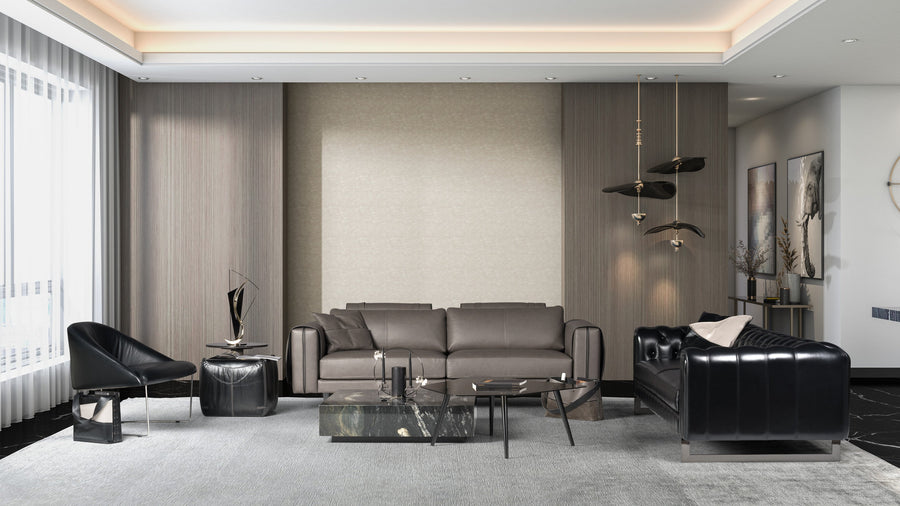
A beautifully decorated room is not necessarily a beautifully designed room. There may be exceptional fabrics, striking artwork, carefully selected accessories, and luxurious finishes, yet something can still feel slightly wrong. Perhaps the sofa is too small for the room. The coffee table sits awkwardly within the seating arrangement. A pendant light feels oversized, or the artwork disappears against a large wall. These are not necessarily decoration problems. They are proportion problems. In sophisticated interior design, proportion often has a greater influence on how a space feels than the number of decorative elements within it. When dimensions, scale, spacing, and relationships are right, even a restrained interior can feel remarkably luxurious. When they are wrong, additional decoration rarely solves the problem. This is why proportion is one of the quiet foundations of successful interior design—and one of the principles that makes well-crafted furniture so important. What Is Proportion in Interior Design? Proportion describes the relationship between the dimensions of different elements within a space. It can refer to the relationship between a sofa and the room, a coffee table and seating area, a dining table and chairs, or even the relationship between furniture and architectural features such as windows, doors, and ceilings. Scale and proportion are closely related, but they are not identical. Scale concerns size in relation to a reference point. Proportion concerns the relationship between different dimensions. A large sofa may be appropriate for a large living room, but if it is unusually deep compared with the surrounding furniture, the composition can still feel unbalanced. Good proportion creates a sense that everything belongs where it has been placed. Why Does Proportion Feel So Important? We may not consciously measure a room, but we constantly perceive relationships within it. The distance between furniture pieces, the height of a chair compared with a table, the amount of wall visible above a sofa, and the relationship between a room's ceiling and its furnishings all contribute to our overall impression. When these relationships work, the interior often feels effortless. When they do not, the eye notices something is wrong even if it cannot immediately identify the reason. This is why proportion can be described as an invisible form of design. It is rarely the first thing people talk about when entering a room, but it strongly influences whether the space feels balanced, comfortable, and refined. Proportion vs. Decoration Decoration is often the most visible layer of an interior. Cushions, artwork, vases, rugs, lighting fixtures, and decorative objects can add personality and visual interest. But these elements cannot compensate indefinitely for poorly considered proportions. A small sofa surrounded by oversized furniture will still look undersized no matter how beautifully it is accessorized. A large empty wall will not necessarily feel balanced simply because several small artworks have been added. A dining room with insufficient circulation will remain uncomfortable even when the table is beautifully styled. Decoration enriches a composition. Proportion determines whether the composition works in the first place. Furniture Is Where Proportion Becomes Tangible Furniture sits at the intersection of architecture and human experience. It needs to respond to the dimensions of the room while remaining comfortable for the people using it. This makes proportion particularly important when selecting sofas, armchairs, tables, beds, and other substantial pieces. Consider a living room. A sofa that is too small may make a generous room feel strangely empty. A sofa that is too large can restrict movement and overpower architectural details. A well-proportioned sofa, however, can anchor the room while allowing the surrounding space to breathe. This balance is one of the reasons furniture should be considered as part of the architecture rather than as an afterthought. The Golden Ratio and Interior Proportion The Golden Ratio is frequently mentioned in discussions about proportion, architecture, and design. Its mathematical relationship has appeared in various artistic and architectural traditions, and designers sometimes use related proportional principles when composing spaces. However, sophisticated interior design does not require every dimension to conform to a mathematical formula. Proportion is contextual. A room with an unusual architectural structure may require a different approach. Bespoke furniture may need to respond to specific dimensions. A dramatic ceiling height can change the appropriate scale of seating and lighting. The goal is not mathematical perfection. It is visual and functional harmony. How Furniture Scale Changes a Room Furniture can dramatically alter our perception of spatial proportions. A low-profile sofa can emphasize the height of a room by leaving more visual space above it. A substantial sectional can make a large open-plan room feel more intimate. A pair of generous armchairs can establish a stronger sense of balance around a central table. This is why choosing furniture based solely on whether it “fits” is rarely enough. A piece can physically fit into a room and still feel completely wrong. The better question is: Does it belong to the scale of the space? Proportion in the Living Room The living room provides one of the clearest examples of how proportion influences comfort and visual balance. The sofa establishes the primary scale of the seating arrangement. Armchairs, coffee tables, side tables, rugs, and lighting then need to relate to it. A coffee table that is too small can appear disconnected from the seating. One that is too large can dominate the arrangement. The same principle applies to rugs. A rug that barely extends beneath the furniture may visually fragment the seating area, while an appropriately scaled rug can unify the entire composition. These decisions are subtle, but they have a significant impact on the finished interior. Dining Rooms Depend on Relationships Dining furniture is equally dependent on proportion. The relationship between table height and chair height affects comfort. The size of the table needs to correspond to the room while leaving sufficient space for circulation. Lighting above the table should establish presence without overwhelming the furniture below it. A dining table may be beautifully crafted, but its success depends partly on what surrounds it. This is a recurring principle throughout interior design: An object is only as successful as its relationship with the space around it. Ceiling Height Changes the Equation Vertical proportion is just as important as horizontal proportion. A room with a high ceiling can often accommodate larger furniture, taller lighting, and more substantial architectural elements. A room with a lower ceiling may benefit from lower-profile pieces and more controlled visual weight. This does not mean that every high-ceilinged room needs oversized furniture. It means the furniture should acknowledge the volume of the architecture. When the relationship between floor, furniture, walls, and ceiling feels balanced, the room develops a natural sense of scale. Negative Space Is Part of Proportion Proportion is not only about the objects themselves. It is also about the spaces between them. The distance between a sofa and coffee table, the space around an armchair, the area surrounding artwork, and the circulation paths between furniture all contribute to the overall composition. This is where negative space becomes important. An interior can contain relatively few objects and still feel crowded if those objects are positioned poorly. Conversely, a room can contain substantial furniture and still feel spacious when the relationships between the pieces are carefully controlled. Empty space is therefore not an absence of design. It is one of its tools. Why Luxury Interiors Rely on Restraint Luxury interior design is often associated with expensive materials and elaborate finishes, but contemporary luxury increasingly emphasizes quality over quantity. A beautifully proportioned room does not need excessive decoration to communicate sophistication. A sculptural armchair can make a statement without competing with artwork. A refined sofa can anchor a room without requiring layers of accessories. Natural materials can provide visual richness without overwhelming the architecture. This restraint gives individual elements more importance. The room feels confident because it does not need to fill every surface. Bespoke Furniture and the Importance of Proportion Standard furniture dimensions are designed to work across a broad range of interiors. But some spaces have very specific requirements. A particularly narrow room, unusually high ceiling, large window wall, or distinctive architectural feature may require furniture with more precise proportions. This is where bespoke furniture becomes valuable. At SIT Design, furniture can be understood not simply as a product placed into a room, but as an element that participates in the wider composition. Dimensions, materials, form, and craftsmanship can work together to create a piece that responds more naturally to its environment. This is especially important in luxury interiors, where individuality and spatial precision are often closely connected. How to Improve Proportion Without Redesigning Everything A room does not always need a complete transformation. Sometimes proportion can be improved through relatively simple adjustments. A sofa may need to move slightly away from the wall. A coffee table may need to be replaced with a larger or more appropriately scaled alternative. Artwork may need to be repositioned. A lighting fixture may need to be reconsidered in relation to the room's volume. The key is to evaluate relationships rather than individual objects. Instead of asking whether a piece is beautiful, ask whether it is right for this particular space. That small change in perspective can transform the way an interior is designed. Decoration Should Follow Proportion There is nothing wrong with beautiful decoration. In fact, the right decorative elements can elevate a carefully proportioned interior considerably. Artwork, textiles, objects, and lighting introduce personality and help complete the visual story. But they should support the composition. When proportion is correct, decoration becomes more effective because there is already a strong foundation beneath it. The interior does not depend on accessories to appear finished. The accessories simply make the design more personal. The Quiet Luxury of Getting the Scale Right Some of the most sophisticated interiors are not memorable because they contain extraordinary amounts of decoration. They are memorable because everything feels right. The sofa occupies the room naturally. The armchairs establish balance. The coffee table feels appropriately scaled. The artwork has enough surrounding space. The lighting complements the architecture. Nothing seems too large, too small, too close, or unnecessarily dominant. That sense of ease is the result of proportion. For a furniture brand such as SIT Design, this principle is especially meaningful. Craftsmanship is not only about how beautifully a piece is made. It is also about how successfully that piece participates in the space around it. When proportion is considered carefully, furniture becomes more than an object. It becomes part of the architecture. And perhaps that is why proportion matters more than decoration. Decoration tells a room what it likes. Proportion determines whether the room feels right. Frequently Asked Questions Why is proportion important in interior design? Proportion determines how different elements relate to one another and to the overall architecture. Good proportion creates balance, comfort, visual harmony, and a sense of refinement. What is the difference between scale and proportion? Scale refers primarily to the size of an element in relation to a reference point, while proportion describes the relationship between the dimensions of different elements within a composition. Can decoration fix poor proportions? Decoration can distract from certain issues, but it cannot fully compensate for furniture or architectural elements that are incorrectly scaled. Proportion should generally be established before decorative details are added. How do I know if furniture is properly proportioned for a room? Consider the furniture's height, width, depth, and visual weight in relation to the room, architectural features, circulation paths, and surrounding pieces. A piece should not only fit physically but also feel appropriate to the overall scale. Why is proportion important for luxury furniture? Luxury furniture often serves as a major visual element within an interior. Carefully considered proportions allow craftsmanship, materials, form, and comfort to be experienced without overwhelming the surrounding architecture. Does bespoke furniture improve proportion? Bespoke furniture can be designed around the specific dimensions and characteristics of a space. This allows proportions, materials, and configurations to respond more precisely to the architecture. What role does negative space play in proportion? Negative space determines the relationships between objects. Appropriate spacing can make furniture feel balanced and improve both circulation and visual clarity. Does a minimalist interior need perfect proportions? Every interior benefits from thoughtful proportion, regardless of style. Minimalist spaces can make proportion even more noticeable because there are fewer decorative elements to distract from the underlying relationships. How does SIT Design approach proportion? SIT Design considers furniture in relation to craftsmanship, materials, comfort, and the wider interior environment. The objective is to create pieces that contribute naturally to the spatial composition rather than simply occupying it.
The Relationship Between Texture and Emotional Comfort in Interior Design
  • Tag dell'articolo: Architecture
  • Articolo pubblicato su: 2 settembre 2026
The Relationship Between Texture and Emotional Comfort in Interior Design
A room can be visually beautiful and still feel strangely distant. The proportions may be carefully considered, the furniture beautifully crafted, and the materials undeniably luxurious. Yet something may be missing. Often, that missing quality is not another decorative object or a stronger color. It is texture. Texture gives an interior a sensory dimension. It encourages us to imagine how a surface might feel, how a fabric responds to touch, or how natural materials change under different conditions of light. More importantly, texture can influence whether a space feels warm, intimate, grounded, calm, or formal. This is why the relationship between texture and emotional comfort in interior design deserves more attention. Luxury is not experienced through the eyes alone. The most memorable interiors engage several senses at once. For SIT Design, where furniture, craftsmanship, materials, and spatial experience are closely connected, texture becomes part of the emotional language of an interior. Why Texture Matters in Interior Design When we think about interior design, color and form often receive immediate attention. Texture is more subtle. It can be visual, tactile, or both. A piece of natural wood has a visible grain that suggests its physical character. Upholstery can appear soft before it is touched. Stone can communicate weight and permanence through its surface variation. These qualities affect perception. A room dominated by hard, smooth, reflective surfaces may feel crisp and architectural. Introduce soft upholstery, natural wood, or woven textiles, and the same space can immediately become warmer. The architecture has not changed. The emotional reading of the space has. Texture and the Psychology of Comfort Comfort begins before we physically sit down. When we see a generously upholstered sofa, a softly textured armchair, or a warm natural material, our perception begins to anticipate comfort. Visual cues influence how we imagine interacting with the environment. This is particularly important in residential interiors. A living room is not simply a composition to be observed. It is a place for conversation, reading, resting, entertaining, and everyday life. Its materials should therefore communicate an invitation to engage. Texture helps establish that invitation. Softness can suggest relaxation. Natural variation can create familiarity. Layered surfaces can make a space feel richer without making it visually busy. Tactile Materials Create Emotional Depth The most successful luxury interiors often combine materials that feel different from one another. Imagine the relationship between a smooth leather surface and textured fabric, warm timber and cool stone, or brushed metal and soft upholstery. Each material establishes a different sensory response. The contrast creates depth. This does not mean every room needs a large number of materials. In fact, too much variation can weaken the composition. The objective is to create a conversation between surfaces. Texture Emotional Association Soft upholstery Comfort and relaxation Natural wood Warmth and familiarity Smooth leather Sophistication and tactility Stone Permanence and architectural strength Woven textiles Informality and warmth Brushed metal Precision and contemporary character Glass Lightness and visual openness These associations are not universal rules. Personal experience, culture, context, and color all influence how materials are perceived. Yet the broader principle remains: materials contribute to atmosphere. The Importance of Upholstery Furniture is one of the primary ways people physically interact with an interior, which makes upholstery particularly important. A sofa is not only a visual object. It is touched, sat on, leaned against, and used for extended periods. Its fabric or leather therefore influences both the appearance and the experience of the room. Different upholstery choices can create very different emotional impressions. A tightly woven fabric can communicate understated warmth. Soft textiles may make a seating area feel more relaxed. Leather can introduce a sense of structure and refinement while becoming increasingly expressive as it ages. For this reason, upholstery should be considered as part of the furniture's identity rather than as a final decorative decision. Texture Changes With Light Texture and light are inseparable. A rough or three-dimensional surface can create shadows that reveal its depth. Smooth materials reflect light differently, producing a cleaner and more continuous appearance. Natural materials often become particularly expressive when daylight moves across their surfaces. This means the emotional effect of texture can change throughout the day. Morning light may emphasize the grain of wood. Afternoon light may deepen the shadows within a woven fabric. Evening illumination can make soft upholstery appear warmer and more intimate. Texture therefore gives an interior a sense of movement even when nothing physically changes. Visual Texture vs. Physical Texture Not every texture needs to be touched to be effective. Visual texture refers to the appearance of a surface, while tactile texture is experienced through physical contact. The two often overlap, but they do not have to. A marble surface can appear highly textured because of its veining while remaining smooth to the touch. A fabric may look simple but reveal a complex tactile quality when handled. Sophisticated interiors often combine both. This creates layers of sensory information without requiring excessive decoration. Texture Can Make Minimal Interiors Feel Warmer Minimal interiors sometimes struggle with emotional warmth. When surfaces are extremely clean, smooth, and uniform, a space can become visually precise but physically distant. Texture provides a way to introduce warmth without abandoning a restrained aesthetic. A neutral room can become considerably more inviting through carefully selected upholstery, timber, rugs, curtains, or natural stone. The palette can remain controlled while the sensory experience becomes richer. This is one reason contemporary luxury interiors often rely on material contrast rather than decorative abundance. The room feels layered without feeling crowded. How Texture Influences Different Spaces Texture should respond to the function of a room. A living room may benefit from soft and tactile materials that encourage relaxation and conversation. A dining space can combine tactile seating with more structured surfaces. A bedroom can use layered textiles to create a quieter and more intimate atmosphere. Even transitional spaces can benefit from subtle textural variation. The important point is that texture should support the emotional purpose of the space rather than simply being added for visual interest. Texture and the Human Body Interior design is ultimately experienced by the human body. We sit, walk, touch, lean, rest, and move through spaces. Furniture that looks beautiful but feels uncomfortable creates a disconnect between visual design and physical experience. This is where furniture craftsmanship becomes especially important. The shape of an armrest, the softness of upholstery, the edge of a table, and the tactile quality of a surface all contribute to how a piece is experienced. At SIT Design, this relationship between craftsmanship, materiality, comfort, and design is central to creating furniture that works not only visually but physically within an interior. The result is furniture that becomes part of everyday experience rather than simply part of the décor. Creating Emotional Comfort Through Contrast Comfort does not mean making everything soft. In fact, contrast can make comfort more noticeable. A soft sofa becomes more expressive against a harder architectural surface. Warm wood can balance cool stone. A textured fabric can soften the visual precision of metal. These relationships create tension without creating discomfort. The room becomes more nuanced because different materials give one another definition. This is particularly effective in sophisticated interiors, where emotional richness often comes from subtle contrasts rather than dramatic decoration. The Role of Natural Materials Natural materials have a particular ability to introduce emotional warmth because they often contain variation. Wood grain is never completely identical. Stone carries natural veining. Leather can develop character over time. Woven textiles contain small irregularities that make them feel less manufactured. These imperfections can be valuable. They remind us that materials have a history and that craftsmanship involves working with physical qualities rather than eliminating them. In an increasingly digital world, this tactile connection to natural materials can make interiors feel more grounded. How to Layer Texture Without Creating Clutter Texture should be layered with the same discipline applied to color and form. A room does not need multiple fabrics, numerous rugs, several wood species, and contrasting stones to feel rich. Too much variation can make the interior visually fragmented. Instead, select a few complementary textures and allow them to repeat subtly. For example, a warm wood tone might connect furniture with architectural details, while soft upholstery is echoed through curtains or a rug. A stone surface can introduce structure without competing with the textiles. The result is depth without noise. Texture as a Signature of Luxury The perception of luxury is increasingly connected to what can be felt as much as what can be seen. High-quality materials reveal themselves through their weight, surface, softness, grain, and response to light. Craftsmanship becomes tangible. This is particularly relevant to furniture. A well-designed piece can communicate quality through the precision of its construction and the tactile experience of its materials. These details may not be immediately obvious from across the room, but they become increasingly meaningful through use. That is the difference between decoration and material experience. Designing Interiors That Feel Good to Live In The most successful interiors are not merely attractive. They create an emotional response. Texture contributes to that response by making spaces more tactile, layered, and human. It can soften architecture, reinforce comfort, highlight craftsmanship, and create subtle connections between furniture and its surroundings. For SIT Design, this perspective is particularly relevant because furniture occupies the point where architecture meets the human body. A sofa, armchair, or table is not simply seen. It is encountered. That encounter should feel considered. A sophisticated interior does not need to overwhelm the senses. It can engage them gradually through the warmth of wood, the softness of upholstery, the character of leather, the coolness of stone, and the changing effect of light. Ultimately, texture gives design another dimension. It turns a space from something we look at into something we experience. Frequently Asked Questions Why is texture important in interior design? Texture adds sensory depth to an interior. It influences how materials are perceived and can make a space feel warmer, more comfortable, sophisticated, or visually layered. How does texture affect emotional comfort? Soft, natural, and tactile materials can create associations with warmth and relaxation, while harder and more structured surfaces can introduce a sense of precision and architectural clarity. The overall combination influences the atmosphere of a room. What textures make a room feel luxurious? There is no single luxury texture. High-quality leather, natural wood, refined upholstery, stone, woven textiles, and carefully finished metals can all contribute to a luxurious interior when used in a cohesive composition. Can a minimalist interior still use a lot of texture? Yes. Texture can actually be particularly effective in minimalist interiors because it introduces depth without requiring additional colors or decorative objects. How does natural light affect texture? Natural light reveals surface variation, grain, softness, and shadow. As daylight changes throughout the day, the appearance and atmosphere of textured materials can change with it. What is the difference between visual and tactile texture? Visual texture describes how a material appears, while tactile texture refers to how it feels when touched. Sophisticated interiors often combine both to create a richer sensory experience. How can texture make furniture more comfortable? Upholstery, surface finishes, edge treatments, and material softness influence how furniture feels when used. These tactile qualities can complement the ergonomic design of a piece and contribute to a greater sense of comfort. How does SIT Design use texture in furniture design? SIT Design considers materials, craftsmanship, comfort, and form as interconnected aspects of furniture design. Texture can therefore contribute not only to the appearance of a piece but also to how it is experienced within an interior.
How to Create a Sense of Continuity Between Rooms
  • Tag dell'articolo: Architecture
  • Articolo pubblicato su: 2 settembre 2026
How to Create a Sense of Continuity Between Rooms
A well-designed home is rarely experienced as a collection of separate rooms. Instead, one space should lead naturally into another, creating a visual and emotional connection that makes the entire interior feel considered. This quality is known as spatial continuity. It does not mean that every room needs to look identical. In fact, excessive repetition can make an interior feel predictable. The more sophisticated approach is to establish a common design language while allowing each space to retain its own function and personality. The transition from a living room to a dining area, from a hallway to a bedroom, or from an open kitchen to a lounge should feel intentional. Materials, colors, furniture proportions, lighting, and architectural details can work together to create this sense of connection. For contemporary luxury interiors, continuity is particularly important. It allows individual design decisions to become part of a larger composition rather than appearing as isolated statements. What Is Continuity in Interior Design? Continuity refers to the visual and spatial relationships that connect different areas of an interior. Imagine walking through a home where the living room uses warm natural wood, the dining area suddenly introduces a completely unrelated palette, and the hallway follows another aesthetic entirely. Each room may be attractive on its own, but the overall experience can feel fragmented. Now imagine the same home using a consistent material vocabulary throughout. The colors vary slightly from room to room, but the flooring, wood tones, metal finishes, and furniture language establish a subtle connection. The rooms remain distinct. The home feels unified. This distinction is at the heart of successful interior design. Continuity Does Not Mean Matching Everything One of the biggest misconceptions about creating a cohesive interior is that every room should contain the same furniture, colors, or decorative elements. That approach can create consistency, but not necessarily sophistication. True continuity is more subtle. A living room might use a deep neutral upholstery while a dining room introduces a lighter variation of the same tonal family. A hallway may repeat a particular wood finish found in the furniture. A metal detail used in one room may reappear as a lighting or architectural element elsewhere. The connection is felt rather than announced. Consistency creates familiarity. Variation creates character. The challenge is finding the right balance between the two. Start With a Common Material Language Materials are among the most effective tools for connecting rooms. A consistent flooring material can establish a continuous foundation across an entire level. Repeated wood tones can connect furniture and architectural elements. Similar stone finishes can create subtle visual relationships between kitchens, bathrooms, and living areas. The objective is not to use exactly the same material everywhere. Instead, materials should share qualities. Warm wood can transition into a slightly darker wood tone. Natural stone can be complemented by another surface with similar veining or texture. Brushed metal can appear in furniture details, lighting, and hardware. These recurring elements create a visual vocabulary. Color Can Connect Separate Spaces Color is another powerful way to establish continuity. A cohesive interior does not necessarily need a single color palette. Instead, it can use a family of related tones that evolve from room to room. For example, warm neutrals can dominate the living area, while deeper versions of the same tones appear in a dining space. A bedroom can introduce softer variations without breaking the overall visual language. This creates what might be described as a color narrative. The eye recognizes relationships even when the colors are not identical. Continuity Element How It Connects Rooms Flooring Creates a consistent visual foundation Wood tones Repeats warmth and material character Color family Establishes a subtle palette connection Metal finishes Links furniture, lighting, and hardware Upholstery Repeats texture or tonal qualities Lighting Maintains a consistent atmosphere Furniture forms Creates stylistic rhythm These elements can be repeated selectively rather than uniformly. Furniture Should Support the Spatial Narrative Furniture has an important role in continuity because it occupies the visual and physical center of many rooms. If each room contains completely unrelated furniture styles, the transition between spaces can feel abrupt. A more considered approach is to establish a shared design language. This might come from similar silhouettes, complementary proportions, recurring materials, or a consistent approach to craftsmanship. The furniture does not need to belong to the same collection. It needs to feel as though it belongs to the same world. This is particularly relevant to SIT Design's approach, where furniture can be understood as part of a larger architectural environment. Rather than treating each piece as an isolated object, its relationship with the surrounding space becomes part of the design process. Open-Plan Interiors Need More Than One Design Language Open-plan interiors create a different challenge. When several functions occupy one continuous volume, continuity happens naturally at an architectural level. But without visual organization, the space can quickly feel undefined. Furniture becomes a zoning tool. A sofa can establish the boundary of a living area. A dining table can define another zone. A rug, lighting arrangement, or change in material can subtly distinguish one function from another. The key is to create separation without destroying continuity. The spaces should feel different enough to understand, but connected enough to belong together. Repetition Creates Rhythm Repetition is one of the simplest ways to create continuity. A curved furniture form might appear in the living room and return through an armchair or lighting element elsewhere. A particular wood finish may reappear in a console, dining table, and bedroom furniture. These repeated elements create rhythm. But repetition needs restraint. If the same shape, color, and material appear in every room, the design can become overly predictable. The eye stops discovering relationships because everything has already been stated. The best interiors repeat ideas rather than objects. Lighting Can Connect Rooms After Dark Continuity should not disappear when natural light fades. Lighting can create an entirely different layer of connection between spaces. A consistent color temperature can help maintain atmospheric unity. Similar fixture finishes can establish visual relationships. Recessed lighting, wall illumination, pendant fixtures, and accent lighting can be coordinated to create a consistent rhythm throughout the home. Lighting also influences how people move. A softly illuminated corridor can lead the eye toward a brighter living space. A sequence of pendant lights can connect a kitchen and dining area. Subtle wall lighting can make a transition between rooms feel intentional rather than purely functional. The result is continuity through atmosphere. Doorways, Corridors, and Transitional Spaces Matter Some of the most important areas in an interior are spaces people tend to overlook. Hallways, entrances, thresholds, and transitional areas determine how one room is experienced before entering the next. These spaces should not necessarily be treated as leftover areas. A repeated material, architectural detail, artwork, or lighting element can establish a transition. Even a change in ceiling treatment or flooring direction can create a subtle sense of movement. The transition itself becomes part of the design. This is particularly important in larger homes, where the distance between functional areas can otherwise make the interior feel fragmented. Architectural Details Can Create Continuity Furniture is only one part of the equation. Architectural details such as wall paneling, ceiling treatments, built-in cabinetry, arches, niches, or moldings can establish recurring visual motifs. The key is interpretation. A curved architectural opening might inspire softer furniture forms in another room. A particular wood detail might reappear through cabinetry. A geometric pattern in the architecture might be echoed subtly in lighting or furniture. This creates a relationship between architecture and interior furnishings. Instead of decoration being added to architecture, the two begin to speak the same visual language. Continuity and Individuality Can Coexist A cohesive home should not feel like one oversized room. Bedrooms can be quieter. Dining areas can be more expressive. A study can introduce deeper tones. A living room can become the social center of the home. These differences are valuable. Continuity provides the underlying structure that allows individuality to exist without creating fragmentation. Think of the home as a collection of chapters. Each room can tell its own story, but the language remains recognizably the same. The Role of Bespoke Furniture Custom furniture can be particularly effective when creating continuity because dimensions, materials, proportions, and finishes can be developed specifically for the environment. Instead of adapting the architecture to predetermined furniture dimensions, individual pieces can respond to the spatial requirements of each room while maintaining shared design characteristics. A living room sofa might have one configuration, while a dining chair or bedroom piece uses different proportions. Yet their materials, craftsmanship, or design language can create a subtle connection. This is where bespoke design can become more than customization. It becomes a way of creating coherence across an entire interior. Creating Continuity Without Losing Character The most successful interiors are rarely completely uniform. They contain contrasts. A bright room may lead into a darker one. Soft upholstery may meet harder architectural materials. A sculptural piece may interrupt an otherwise restrained composition. These contrasts make the continuity more noticeable because they give the eye something to move between. The objective is not to eliminate differences. It is to make those differences feel intentional. A Home Should Feel Like One Story Creating continuity between rooms is ultimately about designing the relationships between spaces rather than focusing only on individual rooms. Materials create connections. Color creates transitions. Furniture establishes rhythm. Lighting extends atmosphere. Architecture provides structure. When these elements work together, moving through a home becomes a continuous experience. Each room can have its own purpose, mood, and identity, yet the transition from one to another feels natural. For SIT Design, this way of thinking reinforces a broader principle: furniture and architecture are most powerful when they are considered together. A carefully designed piece should not simply look beautiful within a room. It should contribute to the character of the spaces around it. The result is an interior that feels neither repetitive nor fragmented. It feels complete. And perhaps that is the essence of continuity in sophisticated interior design: not making every room the same, but making every room feel as though it belongs to the same story. Frequently Asked Questions What does continuity mean in interior design? Continuity means creating visual and spatial relationships between different rooms so that the interior feels cohesive. It can be achieved through materials, colors, furniture, lighting, architectural details, and proportions. Do all rooms need to have the same style? No. A sophisticated home can contain different moods and functions. The key is to maintain certain recurring design elements so that the rooms feel connected rather than unrelated. How can materials create continuity between rooms? Repeating or complementing materials such as wood, stone, metal, flooring, and upholstery can create a common visual language. The materials do not need to be identical to feel connected. How do you connect rooms in an open-plan interior? Furniture, rugs, lighting, color, and material changes can define individual functional zones while maintaining a consistent design language throughout the larger space. Can different colors be used in connected rooms? Yes. Using related tones or a consistent color family allows rooms to have individual identities while preserving visual continuity. How does furniture help connect different rooms? Furniture can establish continuity through recurring silhouettes, proportions, materials, finishes, and craftsmanship. Individual pieces can differ while still belonging to the same overall design language. Why are transitional spaces important? Hallways, entrances, and thresholds determine how one room leads into another. Thoughtful lighting, materials, artwork, and architectural details can make these transitions feel intentional. Can bespoke furniture improve continuity? Yes. Bespoke furniture can be designed around the specific proportions and requirements of each room while maintaining shared materials, finishes, forms, or design principles across the wider interior.

Link rapidi

  • Il mio conto
  • Domande frequenti
  • Blog

Menu principale

  • Chi siamo
  • Prodotti
  • Progetti
  • Collezioni
  • Cataloghi
  • Contatto

Aziendale

  • Termini e condizioni d'uso
  • Riservatezza e Privacy
  • Contratto di adesione
  • Testo informativo sull'utilizzo e il trattamento dei dati personali

Contatto

Indirizzo: Istanbul / Turchia.

E-mail: info@sitdesign.com.

Telefono: +90 (212) 883 80 10

  • English
  • Italiano
  • Türkçe

Copyright © 2026 | Performance Marketing di Alien Road